
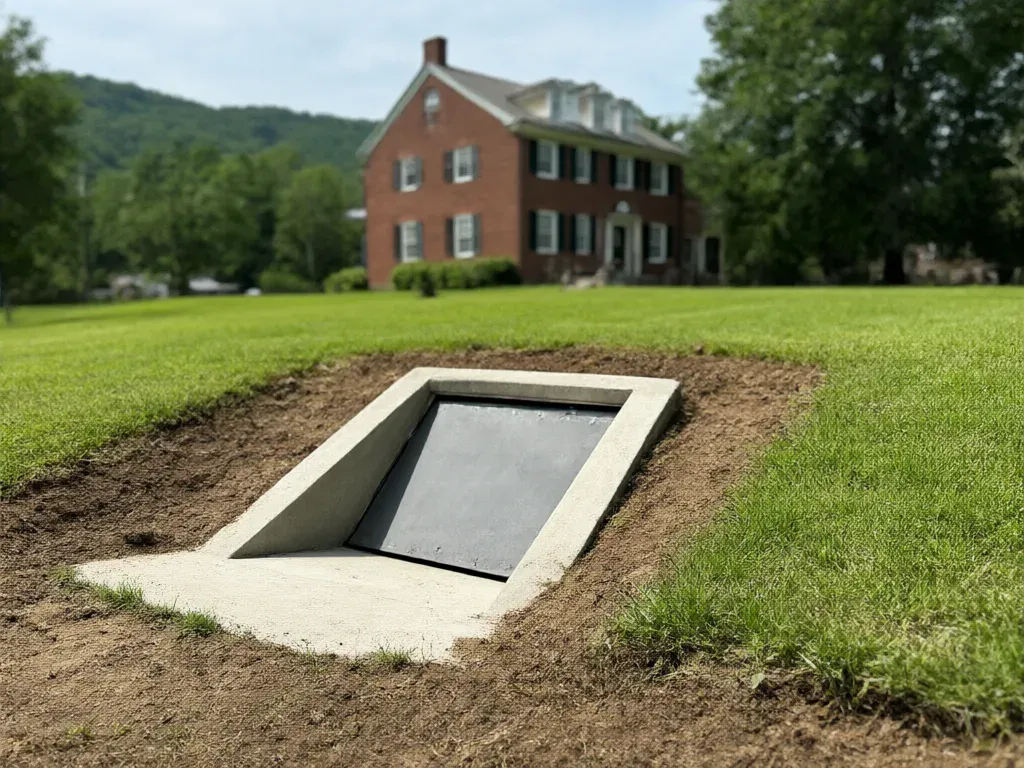
Underground Storm Shelters in Nashville, TN
Nashville Superior Storm Shelters offers professional underground storm shelters in Nashville, TN with 1,850+ shelters installed since 2005. We set backyard in-ground shelters in steel, fiberglass and precast concrete, each built or tested to FEMA P-361 and ICC 500 for a 250 mph design wind. Every unit gets locked into a concrete anchor collar so saturated clay can't push it up. Installed prices for 6 to 10 people run $6,500 to $11,500.
Underground shelter installation here is mostly a rock and water job. About 6 in 10 of our in-ground digs hit limestone before full depth, so we probe the spot for free and write a rock allowance into the quote. We also read how your yard drains, keep the entrance inside FEMA's 150-foot travel limit, and fit a hatch or stair door your family can open in the dark.
Get a FREE Estimate
Or call (629) 736-0578
Underground Storm Shelter Options
There are a few ways to put a shelter in the ground. The right one depends on your access, your rock and who needs to climb in.
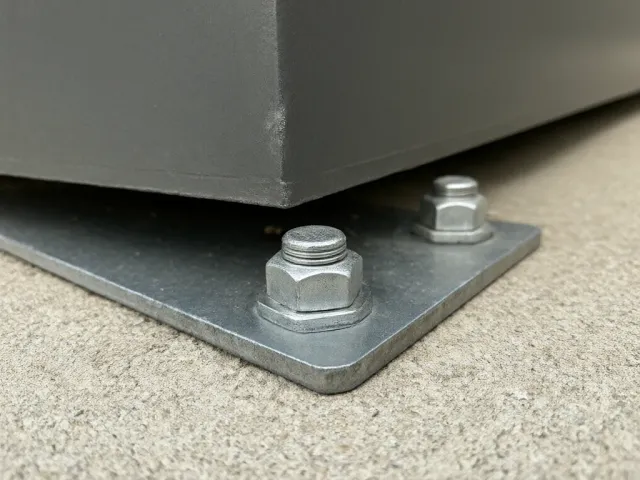
Underground Steel Storm Shelters
Steel is what most of our backyard customers pick. The units we carry use 3/16 to 1/4 inch plate with a rust-resistant coating, a bolted hatch or angled door, and a bench inside. A mini excavator can reach most yards through a standard fence gate, and the set takes 1 to 2 days.
Underground Fiberglass Storm Shelters
Fiberglass won't rust and it's light enough to move with small equipment, which helps on tight or soft lots. That light weight cuts both ways. In saturated clay a fiberglass shell wants to float, so we pour a concrete anchor collar around it every time.
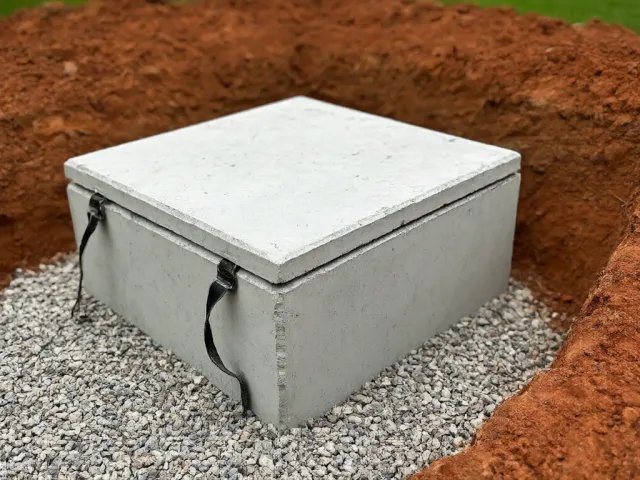
Precast Concrete Underground Shelters
Precast units are the heavyweights at 14,000 to 26,000 pounds, with 4 to 6 inch walls of 5,000 PSI concrete. They hold 8 to 12 people and run $8,500 to $14,000 installed. You need a clear path for a crane or boom truck, and the casting schedule adds 3 to 6 weeks of lead time.
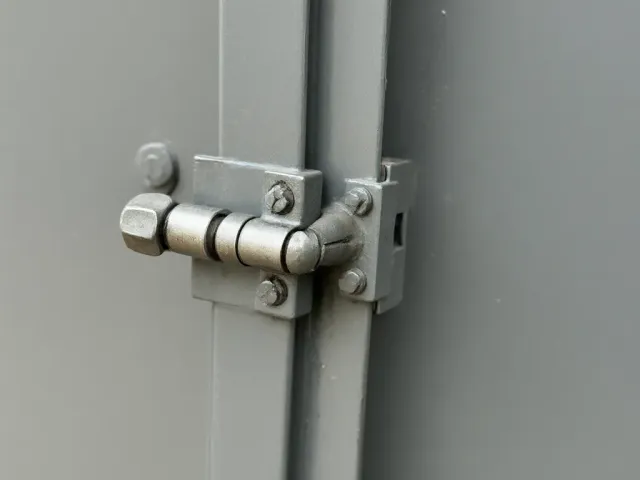
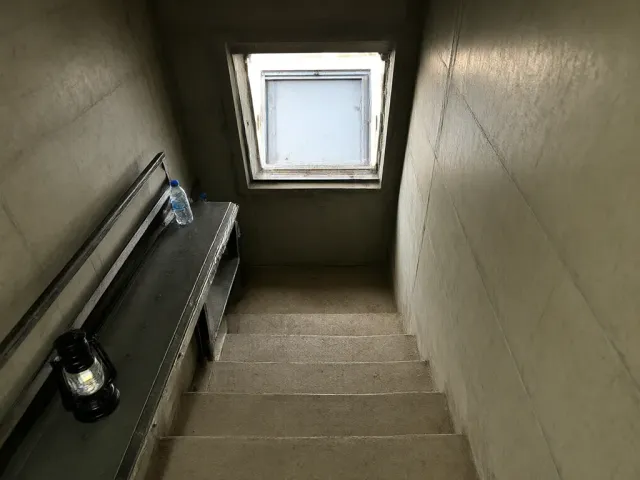
Underground Shelters With Stair Entries
An angled door over a short stair is easier on knees than a vertical hatch and ladder. We steer families with grandparents or small kids toward stair entries. The door still has to be a tested assembly rated for the same 250 mph wind as the shell.
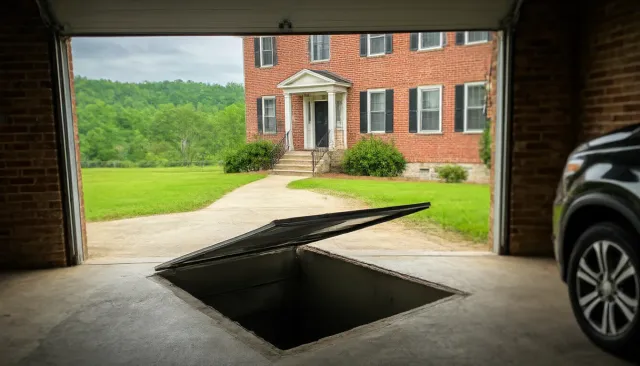
In Ground Storm Shelters on Shallow Rock
Sometimes the probe finds limestone so close to the surface that breaking it costs more than it's worth. We won't bury a shelter shallower than the manufacturer's depth to save money. In that case we'll price a garage unit or an above-ground room next to the underground option so you can compare.
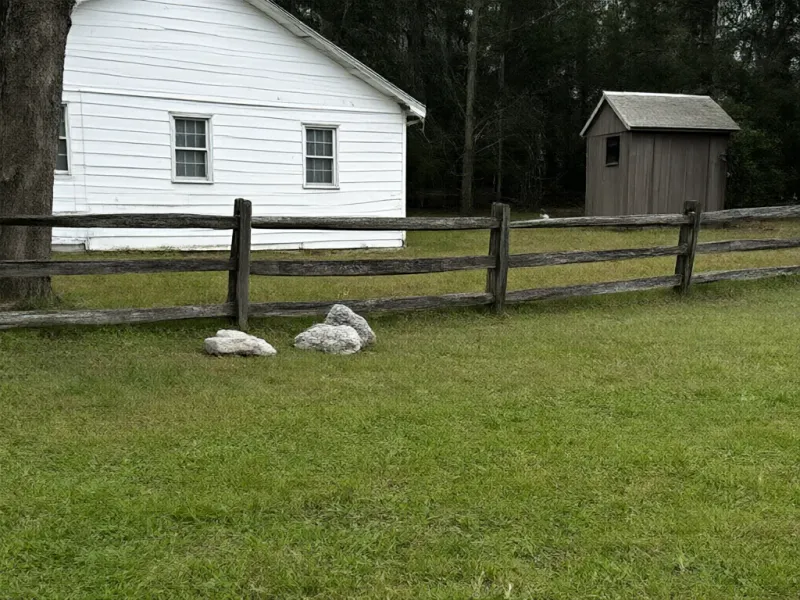
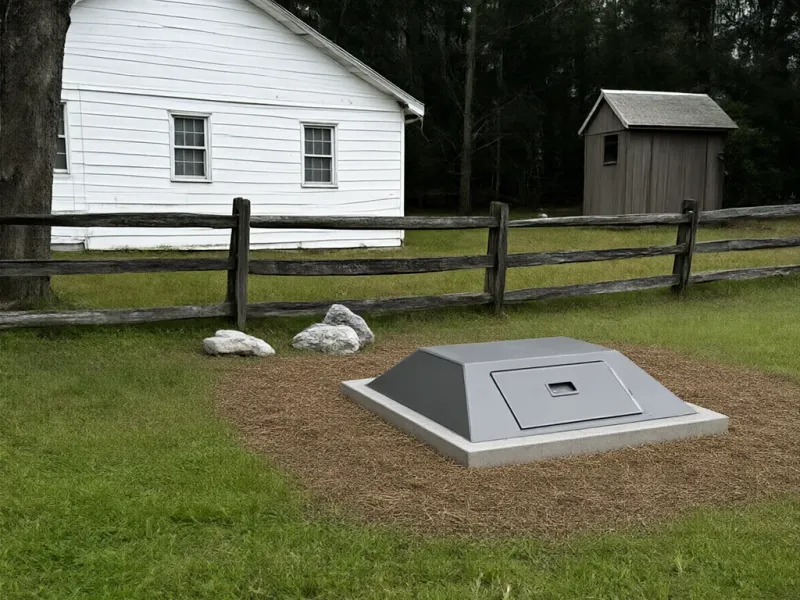
Before and After
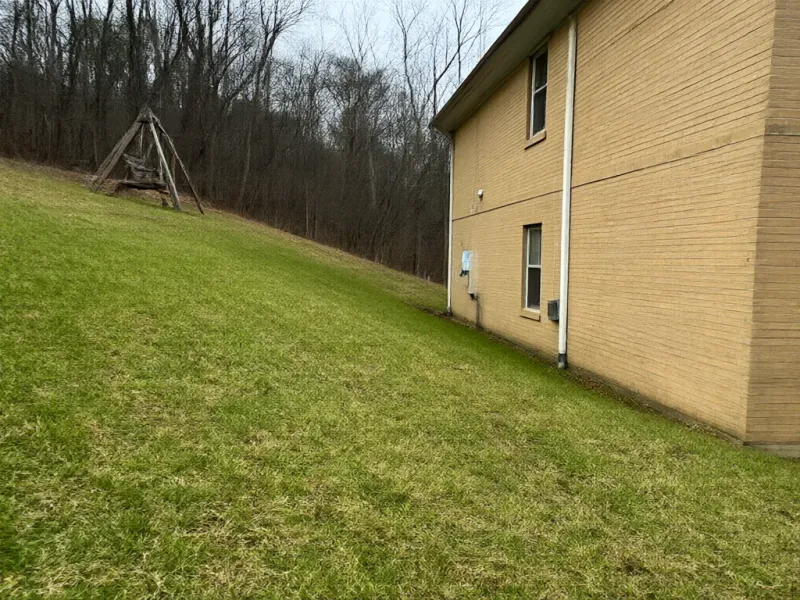
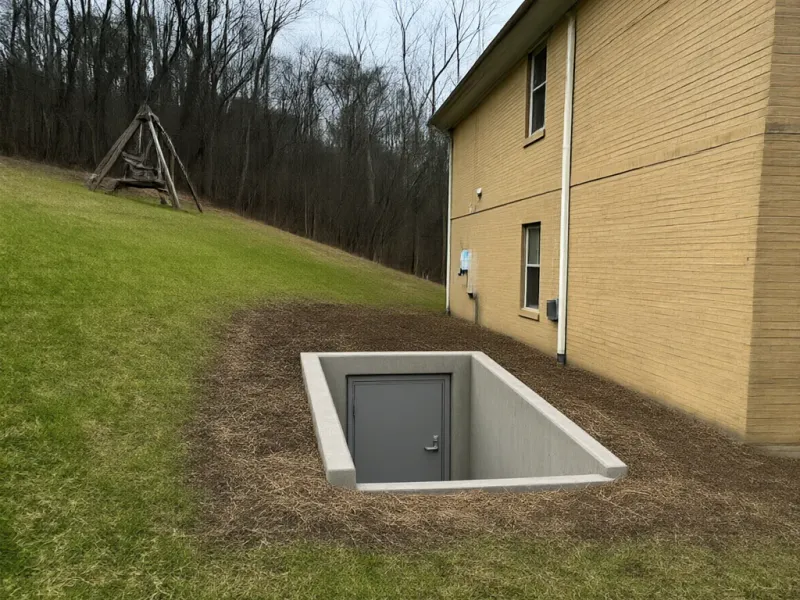
Underground Storm Shelter Materials and Specs
A buried shelter gets its debris protection from the soil around it. The parts that stick out, the door and the vents, still have to meet the same standard as an above-ground room. FEMA's test is a 15-pound 2x4 hitting end-on at 100 mph.
Anchor Collars and Buoyancy
Middle Tennessee clay holds water after a week of spring rain. An empty buried box is basically a boat in that soil. We pour a 4,000 PSI concrete collar around the top of every unit so the weight of the collar and the soil above it keeps the shelter where we set it.
Doors, Hatches and Vents
We fit hatches and stair doors that were tested as an assembly with their hinges and latch. Vents are part of the tested design, baffled so debris can't come straight through. We don't drill extra holes for cables or lights unless the manufacturer allows it.
Burial Depth and Soil Cover
Every model has a burial depth set by its maker. We dig to that depth, put down a compacted gravel base, and backfill in layers. Rock that stops us short gets broken with the hydraulic breaker on the excavator, or we switch plans before we go further.
Who an Underground Shelter Suits, and Who It Doesn't
Underground works well for houses on a crawlspace with no garage, for families who'd rather keep the shelter outside the house, and for lots where the high ground sits near the back door.
It's the wrong choice in a few cases. FEMA doesn't allow any shelter in a floodway. A yard that holds water after rain needs a drain to daylight or a different plan. And for anyone who uses a wheelchair, FEMA points out that stairs into an in-ground shelter can slow you down when you have the least time.
Distance matters too. FEMA's outer limit for an outdoor shelter is 150 feet of travel from the house. We like it a lot closer than that. Walk it at night in the rain with the kids, then decide.
Why Homeowners Hire Us for Underground Shelter Installation
We've been breaking Middle Tennessee limestone since 2005. Our 2 mini excavators both carry hydraulic breakers, so rock slows us down but doesn't stop the job or start a change-order argument.
Water is the other half. We've pumped out other installers' shelters that filled every spring, including one in Smyrna that held about 14 inches of water. That's why the drain plan is on your quote before we dig.
You also get the paperwork that matters: the manufacturer's test documents, the door label, the permit where your city requires one, and your shelter's coordinates ready to send to local emergency officials.
Underground Storm Shelter Installation Process
Assessment and Rock Probe
We probe the dig spot, check the flood map, watch how the yard drains and walk the route from the house. It's free and happens within 5 business days of your call.
Quote, Permit and Locates
You get an installed price in writing within 2 business days, rock allowance included. Once you sign, we pull any permit and call TN811 to mark buried utilities.
Dig and Rock Work
Our excavator digs to the specific burial depth for your model. If we hit rock, we use a hydraulic breaker to clear it. You only pay for the limestone we actually break.
Set, Collar and Backfill
We set the unit on a base of compacted gravel. Then we pour the 4,000 PSI anchor collar and backfill in layers. This keeps the ground from settling into a puddle later.
Grade, Drain and Walkthrough
We slope the grade away, run the drain, and open and latch the door with you. Then we record the entrance coordinates for first responders.
Underground Storm Shelter Questions
How deep does an underground storm shelter go?
As deep as that model's maker says it has to be buried, plus a compacted gravel base. We won't set a unit shallower to dodge rock. If breaking the limestone doesn't make sense, we'll price a garage or above-ground option instead.
Will an underground shelter flood?
It can if it sits in a low spot with nowhere for water to go. We place the unit on the high side of the lot, seal the hatch, and slope the grade away. We also run a drain to daylight where the lot allows. If your lot won't drain, we'll tell you upfront.
How far from the house can I put it?
FEMA suggests a maximum travel distance of 150 feet from the house. Closer is better. Most of our backyard shelters are just a short walk from your back door.
Is underground safer than above ground?
Not if both meet FEMA P-361. FEMA says an above-ground safe room built to those criteria is just as safe. Underground's real advantages are that it stays outside the house and doesn't take garage space.
How long does the install take?
Usually 1 to 2 days on site, more if the rock is heavy. Most jobs are scheduled 2 to 4 weeks after you sign. Precast concrete units take 3 to 6 weeks because of casting.
Book a Free Rock Probe for Your Underground Shelter
Call (629) 736-0578 and we'll probe your yard, check the drainage and send an installed price for an underground storm shelter in writing within 2 business days.